


Laser cutting & engraving for cotton, felt, polyester and more!
Ⅰ. What types of fabrics are ideal for laser processing?
If you work in fashion, crafts, or industrial textile production, knowing how to use a laser cut fabric machine is essential. Laser cutting textiles allows for precise, intricate designs that are difficult or impossible to achieve with traditional methods. This guide explores the best fabrics for laser processing, tips for success, and applications across industries.
Types of Fabrics Ideal for Laser Processing
Fabrics, or textiles, are made by weaving natural or synthetic fibers. Almost all woven textiles can be processed using laser cutting, while some thicker fabrics, like felt, are suitable for laser engraving.
- Cotton

Cotton is a natural fabric derived from plant fibers. When cutting cotton with a laser, the edges may turn light brown, similar to scorched paper. Laser cutting allows for complex designs, but edges may fray. Use fray check or finishing treatments if needed.
- Silk

Silk is a delicate natural fiber that can be cut with a laser. Thin fabrics like silk require lower power settings to prevent tearing. While complex shapes are possible, small intricate designs may be fragile.
- Felt
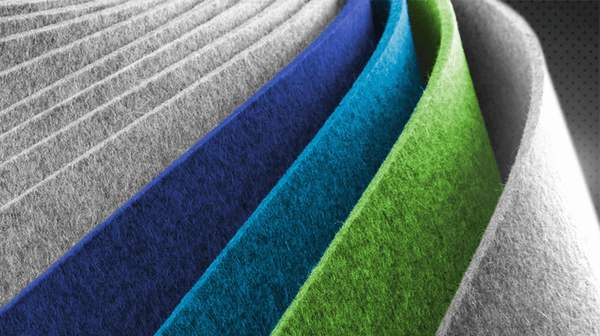
Felt is ideal for laser cutting textiles due to its thickness. Both synthetic and natural felts can be used. Synthetic felt edges melt slightly, sealing the cut and preventing fraying, while natural felt requires minimal finishing. Laser cutting felt allows precise shapes that are difficult with scissors or rotary blades.
- Polyester
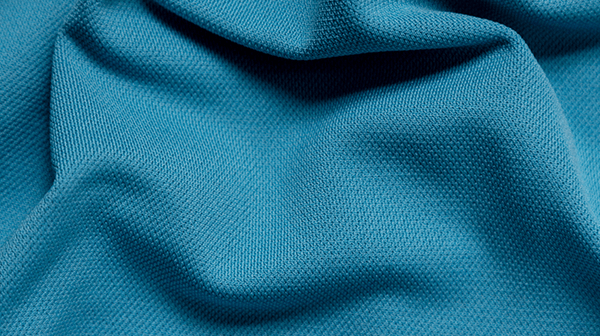
Polyester is a synthetic fabric with thickness similar to cotton. Laser cutting melts the edges, preventing fraying and producing clean finishes. It is excellent for intricate designs that require durability.
Important Note: Avoid PVC or vinyl fabrics, as they release hydrochloric acid when cut, damaging both the laser and your health.
Tips for Successful Laser Textile Cutting
Follow these steps to ensure professional results:
-
Check fiber content: Determines laser power and cutting settings.
-
Keep fabric flat: Iron or stretch material to prevent errors.
-
Test on scraps: Avoid mistakes on final pieces.
-
Secure fabric: Use tape or magnets to prevent shifting.
-
Import compatible designs: Ensure vector files are supported by your laser cutter.
Applications of Laser Cutting Textiles
Laser cutting textiles unlocks creative possibilities across multiple industries:
-
Fashion and apparel: Customized patterns, lace, sportswear, and accessories.
-
Home textiles: Curtains, pillows, upholstery, and decorative items.
-
Toys and crafts: Plush toys, ornaments, and intricate designs.
-
Industrial fabrics: Parachutes, sails, banners, flags, and carpets.
With laser cut fabric, you can achieve intricate patterns and shapes that are otherwise impossible to produce manually.
FAQs About Laser Cutting Fabric
Q: Can all fabrics be laser cut?
A: Most woven fabrics can be cut, but avoid PVC and vinyl. Natural fibers burn, while synthetic fibers melt.
Q: Will the edges fray after laser cutting?
A: Synthetic fabrics seal during cutting, while natural fibers may fray and require finishing.
Q: Can thick fabrics be laser cut?
A: Yes, felt and other thick textiles work well, though power settings must be adjusted.
Q: Is laser cutting safe for delicate fabrics?
A: Yes, with proper power settings and test cuts, delicate fabrics like silk can be cut accurately.
Q: Do I need special software for textile designs?
A: Most CO2 laser machines support vector-based software like LightBurn, CorelDRAW, or Adobe Illustrator.
Key Takeaways
-
Laser cutting textiles ensures precision, efficiency, and consistent results.
-
Synthetic fabrics often produce cleaner edges due to laser melting.
-
Proper preparation, testing, and securing of fabric are critical.
-
Applications range from fashion to home decor to industrial textiles.
Conclusion
Whether you are a designer, hobbyist, or manufacturer, laser cut fabric techniques allow for intricate patterns and creative designs with speed and accuracy. By understanding the fabric type and adjusting laser settings, you can achieve professional results every time, enhancing your fashion, craft, or industrial textile projects.
